
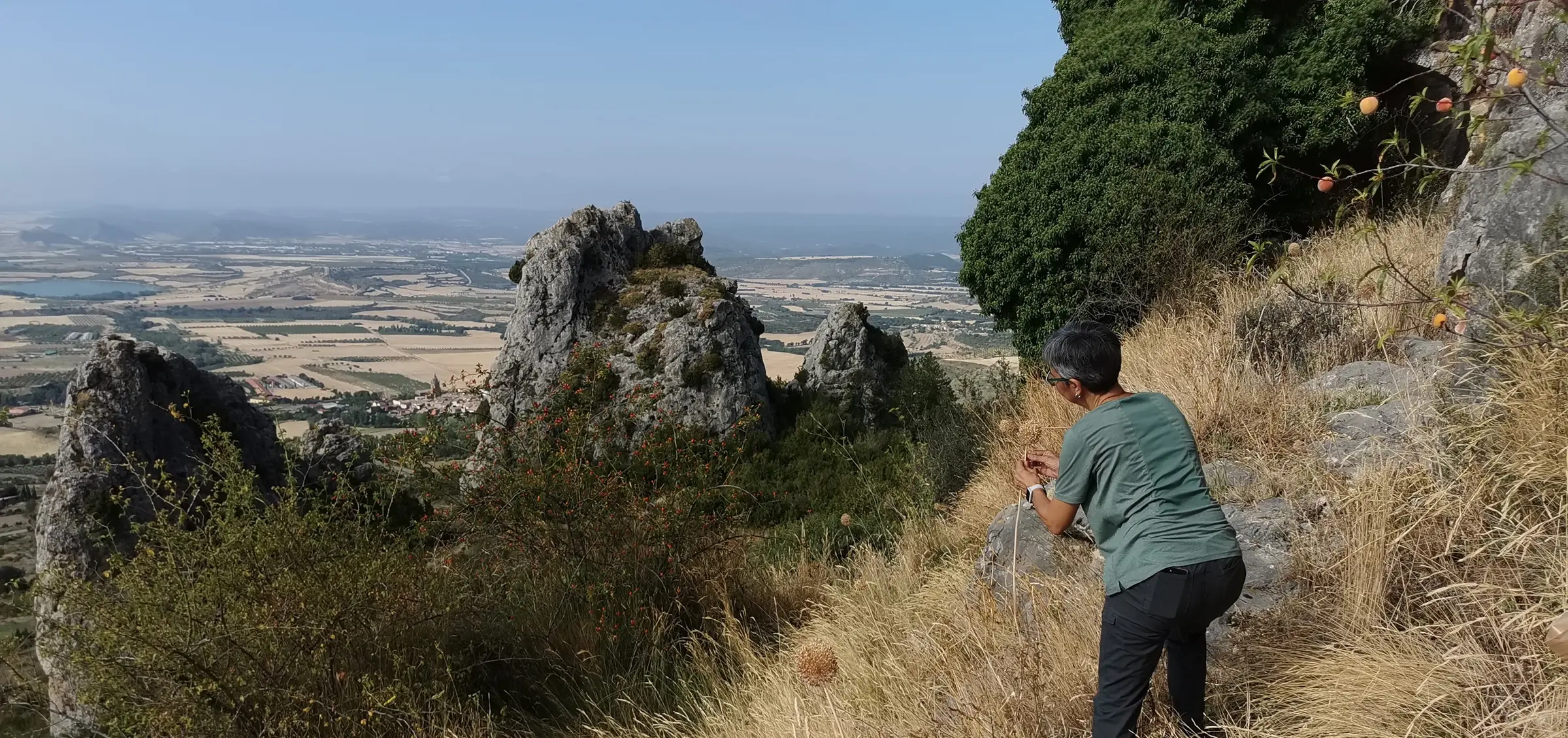
Lactuca, Uzbekistan, 2019
Collectors: C. Kik (the Netherlands), F.O. Khasanov and A. Makhmudov (Uzbekistan)
Introduction
The global plant genetic resources database GENESYS contains 16,519 Lactuca accessions, including 12,980 accessions of Lactuca sativa L. and 3,539 accessions of crop wild relatives (CWR). Lactuca altaica Fisch. & C.A. Mey. is represented by only 34 accessions in GENESYS, of which 10 originate from Uzbekistan. In contrast, Lactuca serriola L. is well represented, with 2,141 accessions, including 61 from Uzbekistan. The Centre for Genetic Resources, the Netherlands (CGN) maintains 5 accessions of L. altaica and 803 accessions of L. serriola. Of these, 1 and 53 accessions, respectively, originate from Uzbekistan.
According to Web of Science, L. serriola has been the subject of extensive scientific research, with 531 records identified. In contrast, only 12 records were found for L. altaica. This substantial difference may partly be explained by taxonomic uncertainty, as several taxonomists consider L. altaica to be a synonym of L. serriola (Cichoriaea Portal; www.cichoriaea.e-taxonomy.net/portal). Consequently, observations or research concerning L. altaica may have been reported under the name L. serriola.
Both species belong to the primary genepool of cultivated lettuce (L. sativa) (Zohary 1991), making them potentially valuable genetic resources for lettuce breeding. In particular, L. serriola has been extensively used in the development of new lettuce cultivars (e.g. Lebeda et al. 2014). Moreover, the two species can be successfully intercrossed, indicating a close genetic relationship and potential for gene transfer between them (Lindqvist 1960).
The geographical distributions of the two species differ considerably. Whereas L. serriola is a cosmopolitan species, L. altaica has a more restricted distribution, occurring from eastern Anatolia to western China (Lebeda et al. 2004).
Given the limited number of L. altaica accessions currently conserved in genebanks worldwide, and the potential of this species to harbour agronomically valuable traits, a collecting mission to Uzbekistan was considered warranted. Uzbekistan is located within the centre of diversity of L. altaica and therefore represents an important area for the collection of additional genetic resources (photo, upper right).
The collecting mission was undertaken within the framework of an existing collaboration on plant genetic resources between the Academy of Sciences of Uzbekistan and the Centre for Genetic Resources, the Netherlands (CGN). The primary objective was to collect L. altaica accessions from populations occurring in Uzbekistan. Although the need for additional collecting of L. serriola was considered less urgent, substantial areas of Uzbekistan had not yet been explored for this species. Previous collecting activities had focused mainly on the eastern part of the country. Consequently, the present expedition focused primarily on the central and southern regions of Uzbekistan, with the aim of expanding the existing collections of both species and increasing their geographical representation.
The collecting mission resulted in the sampling of seeds ca. 2500 plants from a total of 62 populations. Probably 21 populations consisted of Lactuca altaica, 28 of Lactuca serriola and 13 populations consisted of both taxa.
Documents and material
UZBE19 - Lactuca, Uzbekistan, 2019
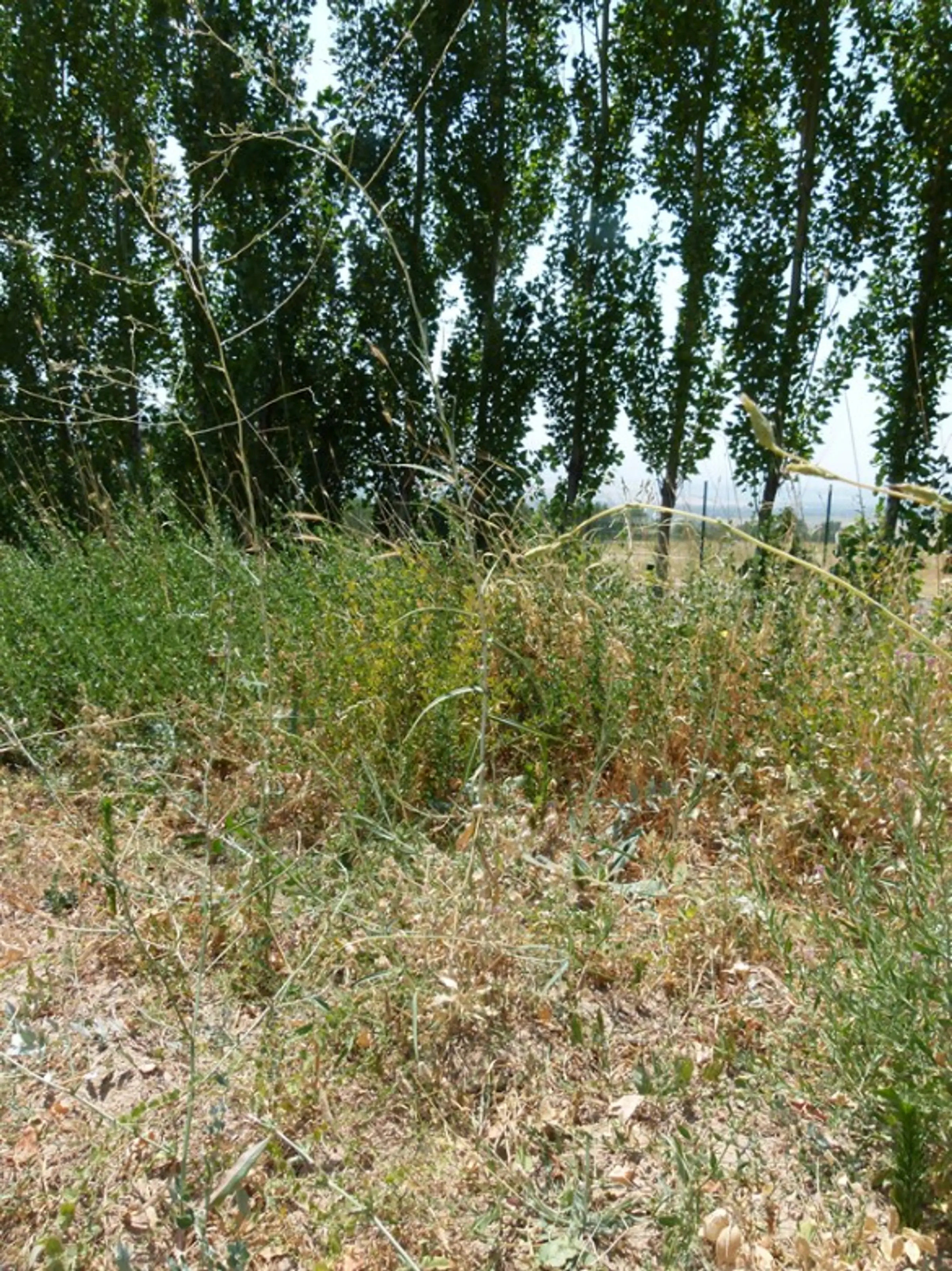
Lactuca altaica
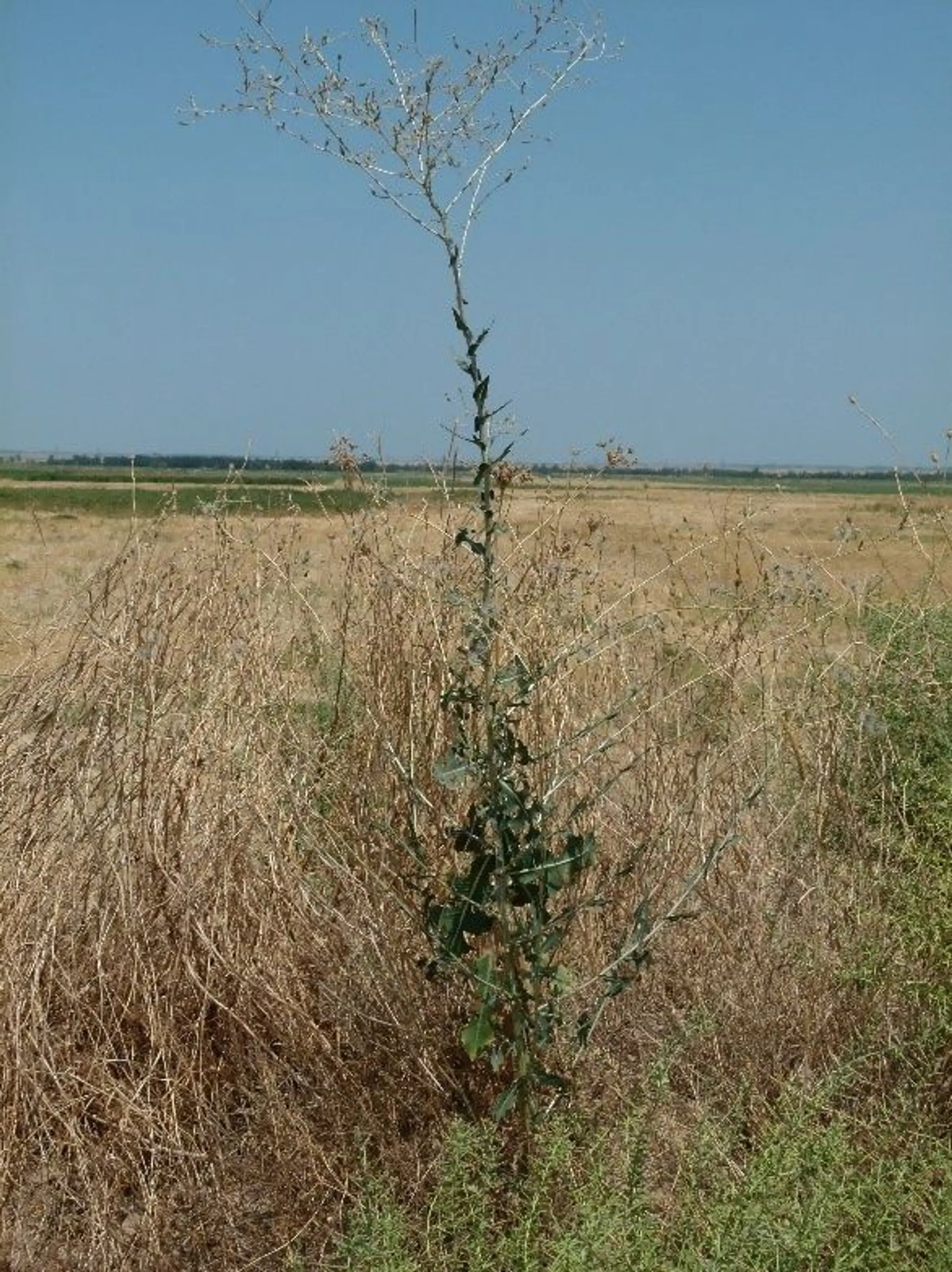
Lactuca serriola